Originally published in May 2023; expanded and technically revised for October 2026 using IMO, UNCTAD and OECD sources.
Key points
- Fleet renewal and retrofits should be measured against operational needs, safety and cost.
- Digital surveys can reduce uncertainty when converting or repairing vessels with incomplete as-built plans.
- Technology selection depends on vessel type, operating profile and economic feasibility.
1. Energy efficiency and alternative fuels
Global shipbuilding is increasingly shaped by efficiency targets and decisions about propulsion, fuels and auxiliary machinery. Newbuilding and retrofit studies must consider not only nominal performance but also fuel availability, tank location, ventilation, firefighting, maintenance and the life-cycle business case.
The IMO 2023 GHG Strategy set levels of ambition for international shipping, including a reduction in average carbon intensity of at least 40% by 2030 compared with 2008 and net-zero GHG emissions by or around 2050. These are sector-wide goals; requirements for a particular vessel depend on the instruments applicable to its service.
2. Newbuilds, conversions and fleet modernization
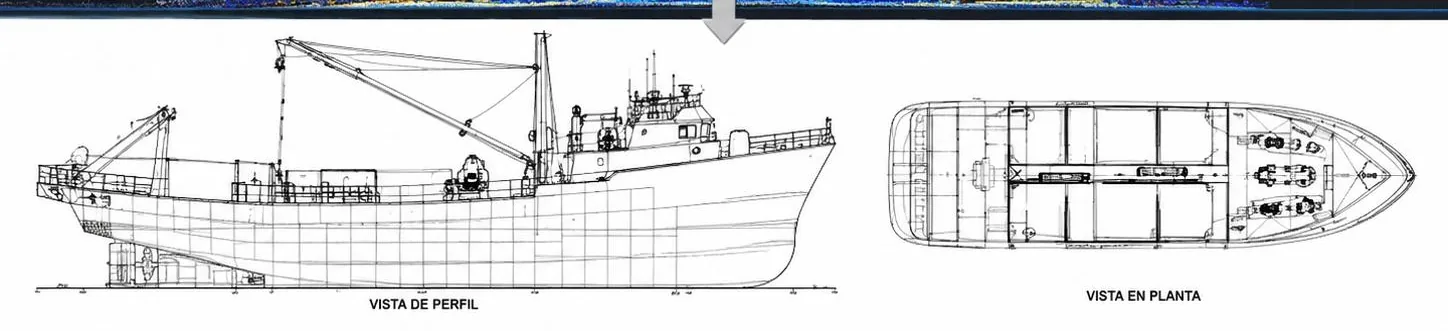
Fleet planning is no longer just a choice to order a new ship. Extending the usefulness of an existing vessel may involve feasibility studies, equipment changes, new arrangements, revised weight budgets and stability reassessment. An accurate understanding of structural condition is necessary before committing to extensive modifications.
UNCTAD’s Review of Maritime Transport 2025 describes shifting routes, cost pressures, fleet renewal and technological transition. For owners, those trends reinforce the importance of evaluating actual vessel service capability and the risk of operational disruption.
3. LiDAR surveys, 3D models and as-built engineering
Three-dimensional surveys can document a vessel hull, deck and machinery spaces as point clouds. These records are particularly helpful in conversions when original plans no longer represent the actual structure and equipment.
A registered point cloud is not a finished design model. CAD deliverables, hull surfaces, sections and construction drawings require interpretation, filtering, quality assurance and dimensional checks whenever design tolerances demand them.
4. Automation and autonomous vessel systems
Sensors, data analysis and automation can support condition monitoring, energy management and maintenance decisions. Ships with autonomous functions raise additional questions about reliability, redundancy, human factors, cybersecurity and accountability.
Higher levels of automation should not be equated with generally approved unmanned operation. Technical readiness and approval depend on vessel systems, operational context and the applicable regulatory regime.
5. Offshore vessels and specialized marine operations
Offshore projects require designs that address working loads, environmental limits and complex operations. Beyond conventional naval architecture, such scopes may call for barge transportation engineering, cargo seafastening, lift-point verification, ballast planning and towing analysis.
The engineering documentation should separate preliminary checks from execution procedures, third-party responsibilities and pre-operation verification. A clearly defined technical scope improves both safety coordination and contractual accountability.
6. Structural integrity, safety and regulatory compliance
Ship safety continues to underpin naval architecture. Stability, subdivision, fire protection, lifesaving equipment, hull strength and essential systems need to be assessed against the requirements appropriate to the vessel’s flag, type and trade.
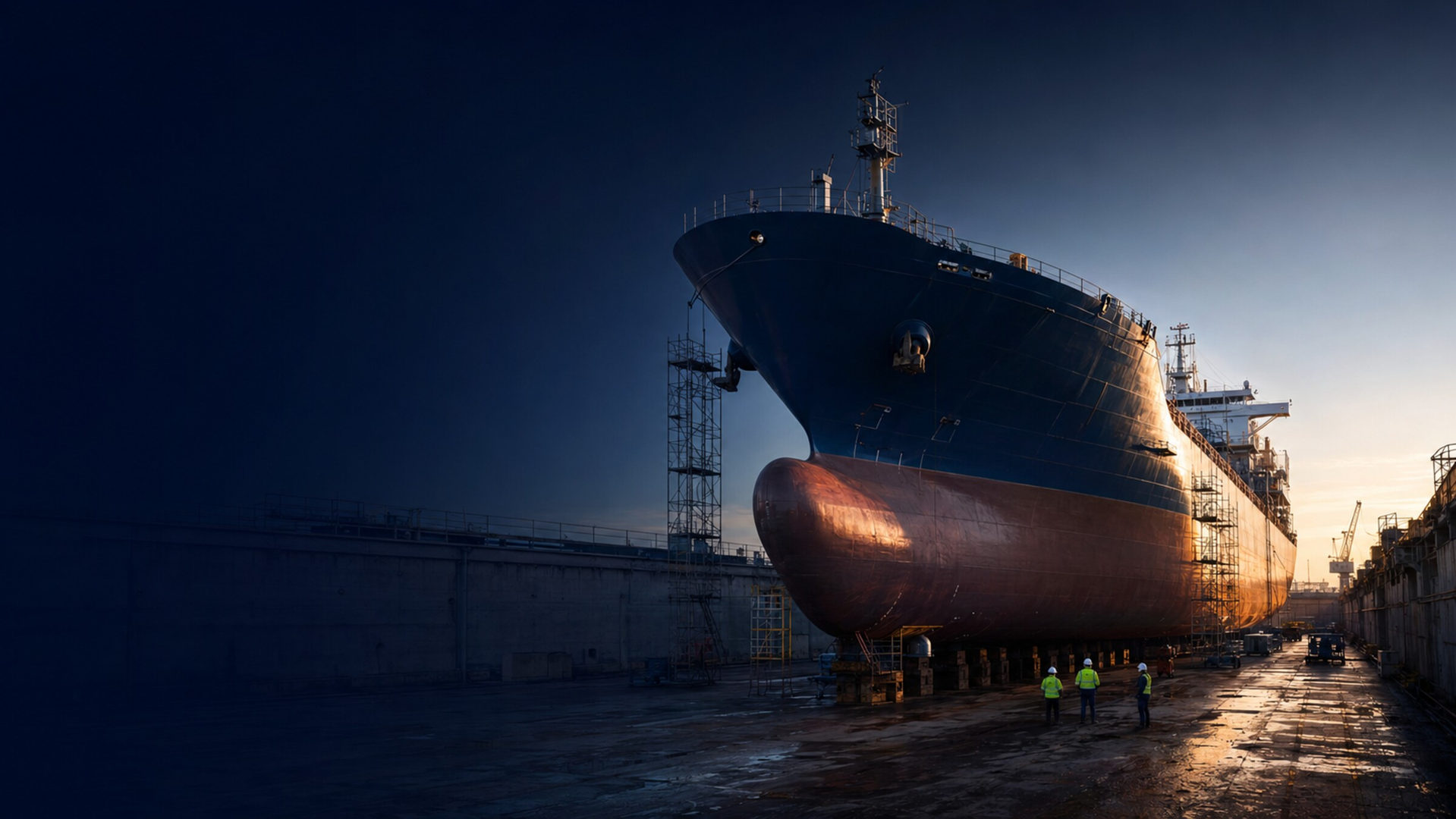
Shipowners and yards can make stronger decisions when hull inspections, ultrasonic thickness measurements, dry-dock supervision and repair records are traceable. Formal statutory and classification approvals remain the responsibility of competent authorities and authorized organizations.
7. Implications for owners and shipyards in Mexico
The sound decision is not necessarily the newest technology. Start by defining operational needs, evaluating remaining service life, estimating the investment and identifying technical integration risks. This is especially relevant to smaller commercial craft, fishing vessels and tourism vessels with limited margins for downtime.
Arquitectos Navales & Asociados can assist with conversion engineering, stability and structural calculations, 3D surveys, ultrasonic NDT and repair supervision, with clear project scope and documented deliverables.